
GLP-1s Are Changing the Game. But Is the Scale Telling You the Whole Story?
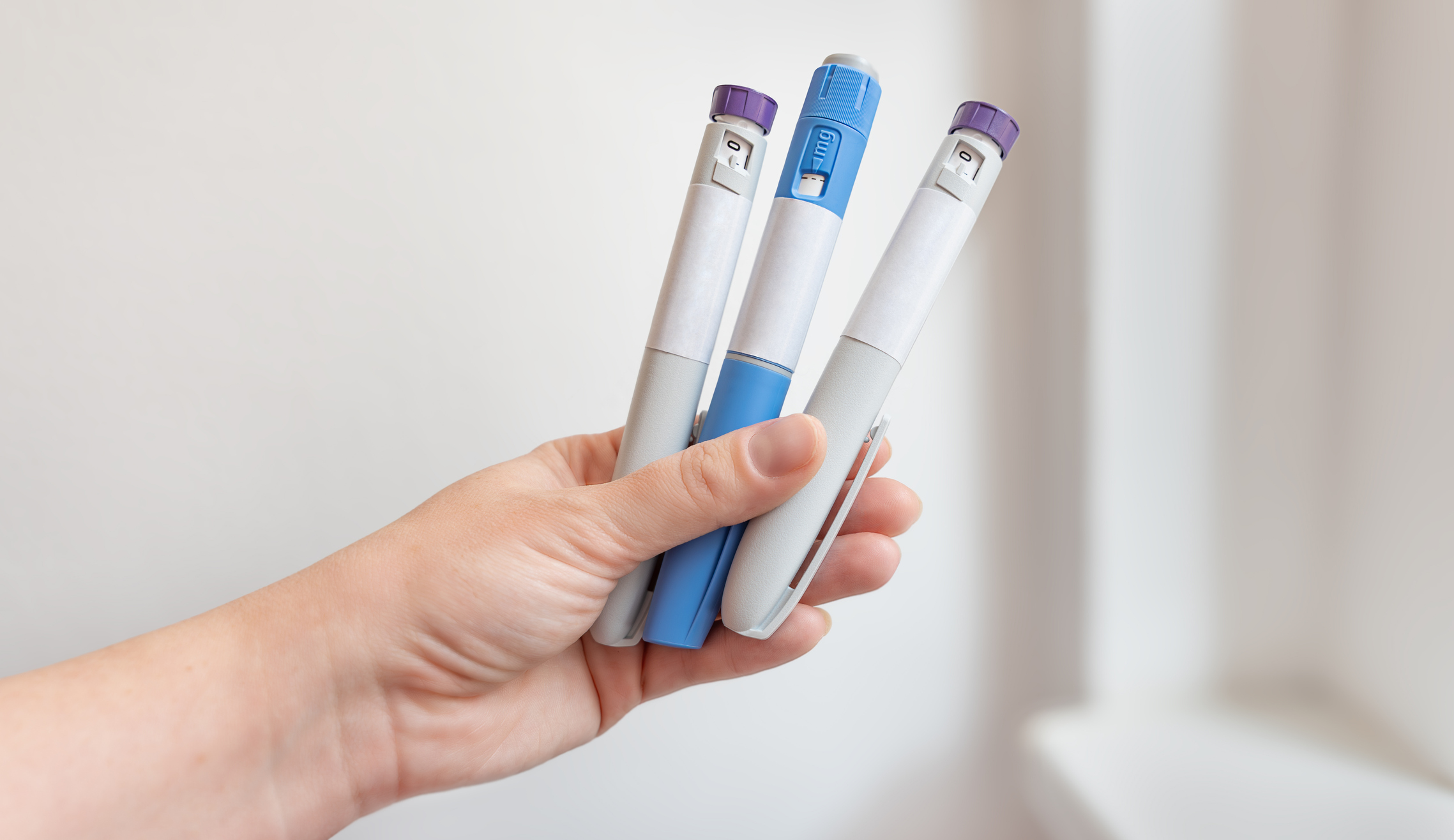
Let’s be real: GLP-1 medications like semaglutide (Ozempic, Wegovy) and tirzepatide (Mounjaro, Zepbound) are everywhere right now. Your coworker’s on one. Your brother-in-law won’t stop talking about his. Maybe you’re on one too.
And they work. People are losing real weight and seeing real improvements in blood sugar, blood pressure, and heart health.
But here’s the part nobody posts on Instagram: the number on the scale doesn’t tell you what you actually lost. Was it fat? Muscle? Bone? Water? That difference matters a lot for your long-term health, and it’s exactly why Maze Medical Fitness is big on measuring, not guessing.
What Do GLP-1s Actually Do to Your Body Composition?
Quick answer: Most of the weight you lose on a GLP-1 is fat, including the dangerous visceral fat around your organs. But some of it is lean mass, which includes muscle, and the stronger medications tend to cause more of it.
The good news first. In a 2026 review of studies, people on GLP-1 medications lost about 17% of their fat mass and a big chunk of visceral fat in just three months, with only a small dip in lean mass (Sawicka-Gutaj et al., International Journal of Obesity, 2026). In the SURMOUNT-1 trial, people on tirzepatide lost about a third of their fat tissue over 72 weeks (Kunutsor and Seidu, Drugs, 2026).
Now the fine print. Across trials, roughly 25% to 40% of total weight lost on GLP-1s can come from lean mass (Moiz et al., eClinicalMedicine, 2026). The most powerful options, high-dose semaglutide and tirzepatide, produce the biggest fat loss but are also among the least effective at preserving lean mass (Karakasis et al., Metabolism, 2025).
Quick reality check: “lean mass” isn’t all muscle. It also includes water, organs, and connective tissue. And many people actually get stronger as they lose weight. But you won’t know which camp you’re in unless you measure it. That’s where a DEXA body composition scan at Maze comes in.
Why Does Muscle Matter So Much?
Quick answer: Muscle drives your metabolism, protects your joints, keeps you balanced, and is one of the strongest predictors of healthy aging.
Lose too much muscle and you may:
- Burn fewer calories at rest, which sets you up for weight regain
- Lose strength and mobility
- Raise your risk of falls as you get older
Muscle is your longevity insurance policy. The goal of GLP-1 therapy shouldn’t be “lose weight at any cost.” It should be lose fat, keep muscle, protect bone.
Want to know how your metabolism is holding up? Pair your DEXA with an RMR (resting metabolic rate) test at Maze to see how many calories your body really burns at rest.
Can GLP-1s Affect Bone Density?
Quick answer: Possibly, especially with large or rapid weight loss. The research is still mixed, which is exactly why tracking your bone density makes sense.
Here’s where the science stands:
- Big weight loss from any cause (dieting, surgery, or medication) tends to speed up bone turnover and can lower bone mineral density (Karam et al., Osteoporosis International, 2025).
- A 2026 analysis of placebo-controlled trials found a small drop in spine bone density with GLP-1s, while hip bone density held steady. The authors noted that the newest, strongest drugs like semaglutide 2.4 mg and tirzepatide still need long-term bone studies (Safargar et al., Bone, 2026).
- Another large 2026 review found no significant effect on bone density or fracture risk overall (Beaudart et al., Drugs, 2026).
So, is it a crisis? No. Is it worth watching? Absolutely, especially if you’re over 50, postmenopausal, already have low bone density, or are losing weight fast. Clinicians recommend paying close attention to bone density when someone loses more than 5% of their body weight in a month or 14% or more over three to four months (Moiz et al., eClinicalMedicine, 2026).
A DEXA bone density scan is the gold-standard way to see what’s happening.
Why a DEXA Scan Is the Smartest Move on a GLP-1
Quick answer: One DEXA scan shows your fat, muscle, visceral fat, and bone, all in about 10 minutes with very low radiation.
A DEXA scan gives you:
- Total fat vs. lean mass: Are you losing the right kind of weight?
- Visceral fat: The deep belly fat linked to heart disease and diabetes
- Regional muscle: Arms, legs, and trunk, so you can spot muscle loss early
- Bone density: A baseline and trend line for your skeleton
A joint advisory from four major U.S. obesity and nutrition groups calls DEXA the gold standard for tracking body composition in people on GLP-1s, and suggests scanning about every one to two years. They also note that scanning that rarely may miss early muscle loss (Mozaffarian et al., Obesity Society advisory, 2025). Many people choose to scan more often, especially in the first year when weight drops fastest.
Pro tip: Get a baseline scan before you start (or as early as possible), then recheck as you go. You can’t measure change without a starting point. Book your baseline DEXA at Maze .
Why You Need to Stay in the Loop With Your Clinician
Quick answer: GLP-1s are medications, not supplements. Your clinician should be part of your plan from start to finish.
Your prescribing clinician helps you:
- Choose the right medication and dose
- Watch for side effects like nausea, dehydration, and rare but serious issues like pancreatitis or gallbladder problems
- Review labs, like kidney and liver function, when needed
- Decide when bone density or body composition needs a closer look
Bring your DEXA and RMR results to your appointments. Real data makes for better conversations, and better adjustments to your plan. Maze testing is designed to complement your medical care, not replace it.
How to Protect Muscle and Bone While on a GLP-1
Quick answer: Lift weights, eat enough protein, keep moving, and measure your progress.
The expert advisory recommends pairing GLP-1s with:
- Strength training at least 3 times a week to preserve muscle and bone
- At least 150 minutes of moderate cardio per week
- Enough protein, since a smaller appetite makes it easy to undereat
One randomized trial found that people who exercised while on a GLP-1 kept their bone density, while those on the medication alone lost some (Mozaffarian et al., Obesity Society advisory, 2025). Calcium, vitamin D, and overall bone health deserve attention too (Moiz et al., eClinicalMedicine, 2026).
FAQ: GLP-1s, DEXA Scans, and Body Composition
Do GLP-1s cause muscle loss? Some lean mass loss is common with any big weight loss, including on GLP-1s. Strength training and enough protein help limit it. A DEXA scan shows how much you’re actually losing.
Does Ozempic or Mounjaro hurt your bones? The research is mixed. Some studies show a small drop in spine bone density, especially with large weight loss. Others show no change in fracture risk. A DEXA bone density scan helps you and your clinician keep an eye on it.
How often should I get a DEXA scan on a GLP-1? Expert groups suggest every one to two years. Many people scan at baseline and again within the first year, when weight changes fastest.
Is a DEXA scan safe? Yes. A DEXA scan uses a very low dose of radiation, far less than a standard CT scan.
What’s the difference between a DEXA scan and a smart scale? Smart scales estimate body fat using electrical signals and can vary with hydration. DEXA directly measures fat, lean mass, visceral fat, and bone.
Should I get an RMR test too? Yes, if you want to know how your metabolism is responding. An RMR test shows how many calories you burn at rest, which helps you fuel smart and avoid plateaus.
Ready to See What’s Really Changing?
You’re putting in the work, and the medication is doing its part. Now make sure you’re losing the right weight.
At Maze Medical Fitness, we help you track what matters:
- DEXA scans for fat, muscle, visceral fat, and bone density
- RMR testing to dial in your metabolism
- Clear, easy-to-read results to share with your clinician
Book your DEXA scan and RMR test at Maze Medical Fitness today and get the full picture of your health on a GLP-1.
Sources
- Mozaffarian D, et al. “Nutritional Priorities to Support GLP-1 Therapy for Obesity: A Joint Advisory From the American College of Lifestyle Medicine, the American Society for Nutrition, the Obesity Medicine Association, and the Obesity Society.” 2025.
- Moiz A, et al. “Balancing the Benefits and Risks of GLP-1 Receptor Agonists: A Clinical Guide for Shared Decision-Making.” eClinicalMedicine, 2026.
- Karakasis P, et al. “Effect of Glucagon-Like Peptide-1 Receptor Agonists and Co-Agonists on Body Composition: Systematic Review and Network Meta-Analysis.” Metabolism, 2025.
- Safargar M, et al. “The Effect of Glucagon-Like Peptide-1 Receptor Agonists on Bone Metabolism: A Systematic Review and Meta-Analysis of Randomized Placebo-Controlled Trials.” Bone, 2026.
- Beaudart C, et al. “GLP-1 Receptor Agonists and Musculoskeletal Outcomes: A Systematic Literature Review and Meta-Analysis.” Drugs, 2026.